
141 kcal
Energy per 100 g
63 / 100
Nutrition quality score
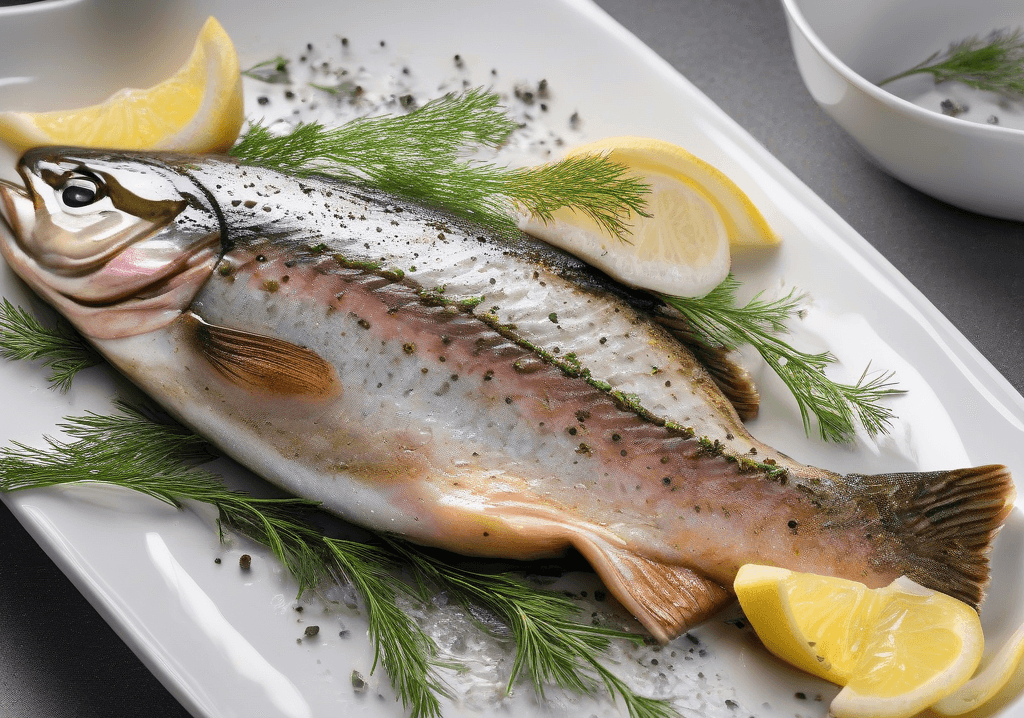
The recorded energy value for 100 grams of Gökkuşağı alabalığı is 141 kcal. Protein: 20.5 g, carbohydrates: 0.0 g, fat: 6.6 g. Based on a 2,000 kcal reference diet, this amount represents about 7% of daily energy.
| Serving / Portion | Calories (kcal) | Protein | Carbs | Fat |
|---|---|---|---|---|
| 50 g | 71 kcal | 10.3 g | 0.0 g | 3.3 g |
| 100 g (reference) |
Akya Balığı (Kuzu Balığı)
146 kcal · Et ve Deniz Ürünleri
Open details
Ala balığı
141 kcal · Et ve Deniz Ürünleri
Open details
Alabalık (Kırmızı Benekli)
138 kcal · Et ve Deniz Ürünleri
Open details
Alaska pollock
81 kcal · Et ve Deniz Ürünleri
Open details
Arap saçı balığı
91.2 kcal · Et ve Deniz Ürünleri
Open details
Optimize your nutrition with data, track your health with scientific algorithms.
Share your experiences or ask your questions.
| 141 kcal |
| 20.5 g |
| 0.0 g |
| 6.6 g |
| 200 g | 282 kcal | 41.0 g | 0.0 g | 13.2 g |
Swipe sideways to see the other columns →
Calculation: value per 100 g × consumed grams / 100. Use the matching raw or cooked weight; recipes and added oil can change the result.
Protein Ratio
20.5 g
per 100 gFiber Content
0.0 g
per 100 gEnergy Density
141 kcal
per 100 gNutrition Score
63/100
GOODRecord updated:
Values refer to the 100 g record; portions scale with gram weight. Raw, cooked and different product records are not interchangeable.
The nutrition quality score compares available nutrients per 100 g; it is not a personal health or treatment score. Consider portions, sodium, allergens and missing data separately. Low calories alone do not imply healthfulness.
Macronutrients
Recorded nutrients
22
measured entries
Similar record comparison
Matches the sample average
Average energy across 20 similar records: 142 kcal / 100 g.
Change grams to see instant macro and calorie updates:
Raw and cooked records differ. Use the record matching how your food was prepared. Missing values are shown as —.
Serving Size: 100 grams (Gökkuşağı alabalığı)
* The % Daily Value tells you how much a nutrient in a serving contributes to a daily 2,000 calorie diet.
Recorded energy is 141 kcal. Protein 20.5 g, fat 6.6 g, carbohydrate 0 g. Values are per 100 g; actual intake changes with serving size.
There are numeric records for 22 nutrients. A dash means a measurement is unavailable, not zero. Products and preparation methods can have different records.
The nutrition model score is 63/100. It summarizes this site's nutrient model and does not determine personal health, treatment or whether a food is suitable for everyone.
Data source: USDA / TürKomp
Recorded energy for 100 g of Gökkuşağı alabalığı: 141 kcal. Low calories do not mean unlimited or universally safe consumption. Consider amounts and intended use separately.
Protein, fiber or total carbohydrate alone cannot establish satiety duration or a personal blood glucose response. This record does not provide a measured satiety index or personal glycemic response.
Nutrients or a quality score cannot determine an ideal consumption time for everyone. Consider meal patterns, preparation, portions and individual needs together.
Recorded sodium: 52.0 mg / 100 g. For low-calorie products such as salt, sodium and portions matter. Missing data is not a safety guarantee; check ingredients, allergens and health conditions separately.
Review recorded values per 100 g side by side.
Technical and scientific details for Gökkuşağı alabalığı.
Recorded energy per 100 g: 141 kcal. Scale by consumed grams / 100 for portions. Missing energy data does not mean zero calories.
Per 100 g, protein: 20.5 g, fat: 6.6 g, carbohydrates: 0.0 g. Raw, cooked and different product records are not interchangeable.
The score for this record is 63.0/100. It is a model output based on available nutrients per 100 g, not a clinical health or personal suitability result. Missing data can limit interpretation.
Not by themselves. For low-calorie products such as salt, consider sodium, portions and intended use separately. Allergens, medical conditions and the overall diet are separate from the score.
Calories, protein or a score alone cannot establish weight-loss, treatment or guaranteed satiety effects. Personal assessment considers overall diet, portions and health conditions.