
Besin Analiz
HomeFoodsNutrientsCompareBlogForumRecipesVideos
Tools
Calorie Needs
Macro Dist.
Daily Req.
Caffeine & Sleep
Nutrient Synergy
FODMAP Guide
Anti-Inflammatory
Workout Nutrition
Child Growth
E-Code Analysis
Budget Protein
Fasting & Circadian
Menstrual Nutrition
Vegan Nutrient Gap
Protein Digestibility
Alcohol Metabolism
Vitamin D Synthesis
Body Fat
Ideal Weight
Hydration
Glycemic Load
Pregnancy & Lact.
Supp. Dosages
Drug-Food Interaction
Antioxidant Need
Energy Slump
View All Tools
Besin Analiz

Nutrition Analysis Portal is an independent platform designed to support your healthy living decisions with scientific data. We provide accurate analysis using USDA and academic sources.

DATA TERMINAL © 2026

Navigation

HomeFoodsCompare

Resources

BlogDatabaseForumData SourcesDataset

Legal

AboutPrivacy PolicyDisclaimerTerms of UseContact

Content is for informational purposes only; consult a nutrition professional for your personal diet.

© 2026 Besin Analiz. All rights reserved.

  1. Home
  2. Foods
  3. Melocan (Diken Ucu)
Melocan (Diken Ucu)
Food Analysis
Verified Data

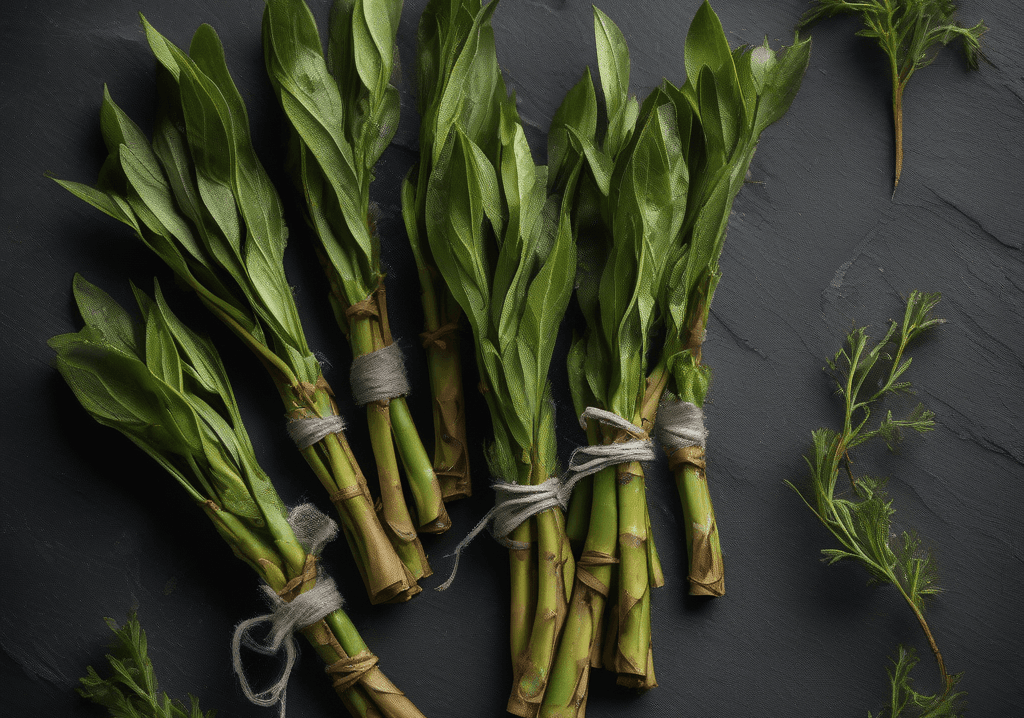
Melocan (Diken Ucu)

Smilax excelsa

Category: Sebzeler

37

Kcal / 100g

100

Analysis Score

Clinically Verified: Verified by Clinical Dietitian Mert Ersoy and Scientific Board.
Source: USDA & Official DB

How Many Calories in Melocan (Diken Ucu)? (Quick Answer)

100 grams of Melocan (Diken Ucu) contains approximately 37 calories (kcal). A 100g portion provides 2.4g protein, 6.0g carbohydrates, and 0.1g fat. It accounts for roughly 2% of the daily calorie requirement on a standard 2,000 kcal diet. With its low calorie and light structure, it is an excellent choice for weight loss and diet periods.

Melocan (Diken Ucu) Portion & Calorie Guide100g = 37 kcal
Serving / PortionCalories (kcal)ProteinCarbsFat
100 Grams (Standard Serving)37 kcal2.4 g6.0 g0.1 g
1 Portion / Plate (~150 g)56 kcal3.6 g8.9 g0.1 g
1 Piece / Medium (~120 g)44 kcal2.9 g7.1 g0.1 g
1 Handful / Snack (~30 g)11 kcal0.7 g1.8 g0.0 g

Protein Ratio

2.4g

Standard

Fiber Content

2.7g

Digestive

Energy Density

37 kcal

Low Energy

Health Score

100/100

EXCELLENT

Macronutrients

Protein2.4g
Yağ0g
Karbonhidrat5.95g

Micronutrients

23

different items

Similar Comparison

11% below average

Lighter and lower in calories compared to its similars.

Melocan (Diken Ucu) Macro Analysis

Melocan (Diken Ucu) Calorie Comparison

Energy Distribution

Key Nutrients

Melocan (Diken Ucu) Detailed Nutrition Facts

Nutrient
Amount (per 100 g)
Beta Karoten
1500 µg
Potasyum
295 mg
A Vitamini (RAE)
125 µg
Su
90.2 g
Kalsiyum
72 mg
Toplam Folat
48 µg
Fosfor
45 mg
Enerji (Atwater Genel Faktörleri)
37 kcal
C Vitamini (askorbik asit)
28.5 mg
Magnezyum
26 mg
Sodyum
14 mg
Karbonhidrat (farkla)
5.95 g
Diyet lifi
2.7 g
Protein
2.4 g
Demir
1.95 mg
Toplam Şeker
1.4 g
Kül
1.1 g
Niasin
0.85 mg
Çinko
0.58 mg
Toplam yağ
0.35 g
B2 Vitamini (Riboflavin)
0.11 mg
Toplam doymus yağ asitleri
0.08 g
B1 Vitamini (Tiamin)
0.07 mg

Interactive Portion & Calorie Calculator

Real-Time Calc

Change grams to see instant macro and calorie updates:

g
Total Energy37kcal (%2 Günlük)
Protein2.4g%5 Günlük Değer
Carbohydrate6.0g%2 Günlük Değer
Total Fat0.1g%0 Günlük Değer

Nutrition Facts

Serving Size: 100 grams (Melocan (Diken Ucu))

Calories per serving37
kcal
% Daily Value*
Total Fat 0.1g%0
Total Carbohydrate 6.0g%2
Dietary Fiber 2.7g%10
Total Sugars 1.4g—
Protein 2.4g%5
Sodium 14mg%1

* The % Daily Value tells you how much a nutrient in a serving contributes to a daily 2,000 calorie diet.

WhatsApp

Melocan (Diken Ucu) Health Analysis Report

In-depth food interpretation: Melocan (Diken Ucu)

Quick snapshot

Energy per 100 g: 37.0 kcal · Score: 100.0/100 · Level: Excellent

This section helps you decide where Melocan (Diken Ucu) fits in your routine by combining energy, score, and nutrient balance. Energy is 37.0 kcal per 100 g, which becomes more meaningful as portion size increases. If your goal is weight management, this number helps control daily intake; if your goal is performance and recovery, it can indicate whether the food supports your energy demand.

Macro profile shows 2.4 g protein, 0.4 g fat, and 6.0 g carbs per 100 g. Total macro load is 8.8 g. The dominant macro is carbohydrate, which helps explain where this food is most useful: satiety, quick energy, or richer meal structure.

On micronutrients, key contributors include Beta Karoten (1500.0 µg), Potasyum (295.0 mg), A Vitamini (RAE) (125.0 µg), Su (90.2 g), Kalsiyum (72.0 mg), Toplam Folat (48.0 µg). This is the part that often decides quality in real life, especially when you build variety across the week.

Nutrition score is 100.0/100 (Excellent). Use this as a directional signal instead of a strict verdict. A lower score does not automatically mean "bad food"; it usually means you should balance it with complementary foods during the day.

Compared with similar foods, the average energy difference is -4.4 kcal. Examples from similar options: Alabaş (Kohlrabi), Beyaz Turp, Filizlendirilmiş Maş Fasulyesi, Girit Kabağı. This makes it easier to decide whether you want a lighter, denser, or more balanced alternative.

  • Decide your main goal before comparing: calorie control, satiety, performance, or balance.
  • Focus on 2-3 key metrics first; too many numbers can reduce decision quality.
  • Evaluate this food in the context of the whole day, not as an isolated choice.

In short, Melocan (Diken Ucu) can be a strong option when matched with the right portion and pairing strategy. The most practical approach is simple: keep what this food does well, and complete what it lacks with other items in your meal plan.

Melocan (Diken Ucu) Diet & Weight Loss Guide

Can you eat Melocan (Diken Ucu) on a diet?

Melocan (Diken Ucu) contains 37 kcal per 100g. With low energy density, it can be consumed safely during weight loss without portion worries.

Tip: Maintain steady portion size

Satiety & Blood Sugar Impact

Provides balanced energy release and supports metabolic equilibrium.

Satiety Index: High

When is the Best Time to Consume?

Ideal as a light midday snack to prevent cravings between main meals.

Ideal: Snack / Main Meal

Who Should Watch Their Portions?

Safe for general consumption; individuals with specific allergies should consult their doctor.

Clinical Advice: Portion control

Melocan (Diken Ucu) Comparisons

Comparison Tool →

Compare Melocan (Diken Ucu) side-by-side with similar foods by calories and nutritional values:

Melocan (Diken Ucu) vs Alabaş (Kohlrabi)
27 kcal10 kcal denserCompare →
Melocan (Diken Ucu) vs Beyaz Turp
18 kcal19 kcal denserCompare →
Melocan (Diken Ucu) vs Filizlendirilmiş Maş Fasuly…
30 kcal7 kcal denserCompare →
Melocan (Diken Ucu) vs Girit Kabağı
16.7 kcal20.3 kcal denserCompare →
Melocan (Diken Ucu) vs Kapari (Gebre Otu)
23 kcal14 kcal denserCompare →
Melocan (Diken Ucu) vs Kemer Patlıcanı
25 kcal12 kcal denserCompare →

Frequently Asked Questions

Technical and scientific details for Melocan (Diken Ucu).

The energy value for Melocan (Diken Ucu) is approximately 37 kcal per 100 g. All nutrition values on this platform are shown per 100 g, so you can scale the calories up or down based on your own portion size.

Per 100 g it contains approximately 2.4 g protein, 0.4 g fat and 6.0 g carbohydrates. These values help you maintain macro balance while creating your daily nutrition plan.

Yes, Melocan (Diken Ucu) can be consumed within your daily energy needs with portion control due to its calorie density (37 kcal).

Melocan (Diken Ucu) doesn't have a miracle effect on weight loss directly, but it can contribute to creating a calorie deficit when consumed in small portions.

Analysis Tools

Calorie Needs
Macro Dist.
Caffeine & Sleep
Nutrient Synergy
FODMAP Guide
Workout Nutrition
Open Portal
EXPERT VERIFIED ANALYSIS

Mert Ersoy

Registered Dietitian & Nutrition Scientist

Mert Ersoy is a dietitian specializing in nutrition sciences and sustainable diet models. He manages data quality, analysis algorithms, and content accuracy processes at BesinAnaliz.

Last Update: February 2026
Verified

Quick Compare

Alabaş (Kohlrabi)
Beyaz Turp
Filizlendirilmiş Maş Fasulyesi
Girit Kabağı
Kapari (Gebre Otu)
Kemer Patlıcanı

Related Categories

Alkollü içeceklerAmerikan Yerlisi/Alaska Yerlisi YiyecekleriAnanasAnne sütüArmutAromalı az yağlı sütAromalı düşük yağlı sütAromalı tam yağlı sütAromalı veya gazlı suAromalı yağsız süt

Based on USDA Standard References for maximum data reliability.

Source: USDA FoodData Central · Methodology: Data Sources

Similar Nutritional Values (14)

  • Alabaş (Kohlrabi)

    27 kcal · Sebzeler

    Open details

  • Beyaz Turp

    18 kcal · Sebzeler

    Open details

  • Filizlendirilmiş Maş Fasulyesi

    30 kcal · Sebzeler

    Open details

  • Girit Kabağı

    16.7 kcal · Sebzeler

    Open details

  • Kapari (Gebre Otu)

    23 kcal · Sebzeler

    Open details

  • Kemer Patlıcanı

    25 kcal · Sebzeler

    Open details

  • Kereviz Sapı

    14 kcal · Sebzeler

    Open details

  • Kornişon

    15 kcal · Sebzeler

    Open details

  • Manyok (Cassava)

    160 kcal · Sebzeler

    Open details

  • Radicchio (İtalyan Kırmızı Hindiba)

    23 kcal · Sebzeler

    Open details

  • Sirken Otu

    43 kcal · Sebzeler

    Open details

  • Su Teresi (Watercress)

    11 kcal · Sebzeler

    Open details

  • Taze Tarhun Otu

    65 kcal · Sebzeler

    Open details

  • Yaban Turbu (Wasabi)

    109 kcal · Sebzeler

    Open details

Scientific Analysis Tools

Optimize your nutrition with data, track your health with scientific algorithms.

View All

Calorie Needs

Macro Dist.

Daily Req.

Caffeine & Sleep

Nutrient Synergy

FODMAP Guide

Anti-Inflammatory

E-Code Analysis

Workout Nutrition

Budget Protein

Community Insights & Reviews

Share your experiences or ask your questions.

Ask Question or Rate

Recent Comments