
Besin Analiz
HomeFoodsNutrientsCompareBlogForumRecipesVideos
Tools
Calorie Needs
Macro Dist.
Daily Req.
Caffeine & Sleep
Nutrient Synergy
FODMAP Guide
Anti-Inflammatory
Workout Nutrition
Child Growth
E-Code Analysis
Budget Protein
Fasting & Circadian
Menstrual Nutrition
Vegan Nutrient Gap
Protein Digestibility
Alcohol Metabolism
Vitamin D Factors
Body Fat
Ideal Weight
Hydration
Glycemic Load
Pregnancy & Lact.
Nutrition References
Drug-Food Interaction
Antioxidant Need
Energy Slump
View All Tools
Besin Analiz

Explore and compare food records, measurements per 100 g and recorded sources. Data coverage and preparation vary by food.

DATA TERMINAL © 2026

Navigation

HomeFoodsCompareFood alternativesMeal builder

Resources

BlogDatabaseForumData SourcesDatasetNutrient guides

Legal

AboutPrivacy PolicyDisclaimerTerms of UseContact

Content is for informational purposes only; consult a nutrition professional for your personal diet.

© 2026 Besin Analiz. All rights reserved.

  1. Home
  2. Foods
  3. Bael meyvesi
Bael meyvesi
Food Analysis
Nutrition Data

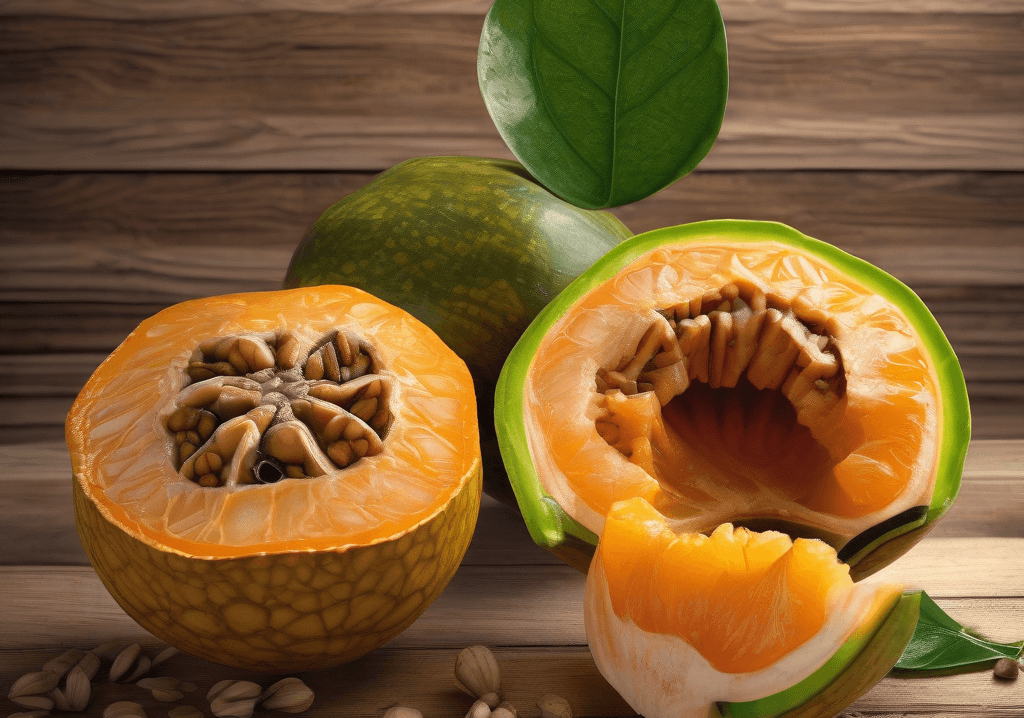
Bael meyvesi

Aegle marmelos

Category: Meyveler

137

Kcal / 100g

100

Analysis Score

Data source: IFCT (Indian Food Composition Tables) · Data and calculation method

Record updated: 2026-10-03

Values refer to the 100 g record; portions scale with gram weight. Raw, cooked and different product records are not interchangeable.

The nutrition quality score compares available nutrients per 100 g; it is not a personal health or treatment score. Consider portions, sodium, allergens and missing data separately. Low calories alone do not imply healthfulness.

How Many Calories in Bael meyvesi? (Quick Answer)

The recorded energy value for 100 grams of Bael meyvesi is 137 kcal. Protein: 1.8 g, carbohydrates: —, fat: 0.3 g. Based on a 2,000 kcal reference diet, this amount represents about 7% of daily energy.

Bael meyvesi Portion & Calorie Guide100 g = 137 kcal
Serving / PortionCalories (kcal)ProteinCarbsFat
50 g69 kcal0.9 g—0.1 g
100 g (reference)137 kcal1.8 g—0.3 g
200 g274 kcal3.6 g—0.6 g

Calculation: value per 100 g × consumed grams / 100. Use the matching raw or cooked weight; recipes and added oil can change the result.

Protein Ratio

1.8 g

Standard

Fiber Content

2.9 g

Digestive

Energy Density

137 kcal

Nutritious

Health Score

100/100

EXCELLENT

Macronutrients

Protein1.8g
Yağ0g
Karbonhidrat31.8g

Micronutrients

19

different items

Similar Comparison

115% above average

Has higher energy density compared to its similars.

Bael meyvesi Macro Analysis

Bael meyvesi Calorie Comparison

Macronutrient Amounts (g)

Key Nutrients

Bael meyvesi Detailed Nutrition Facts

Nutrient
Amount (per 100 g)
Potasyum
600 mg
Kalsiyum
85 mg
Su
61.5 g
Beta Karoten
55 µg
Fosfor
50 mg
Magnezyum
45 mg
Karbonhidrat (farkla)
31.8 g
Sodyum
10 mg
C Vitamini (askorbik asit)
8 mg
Diyet lifi
2.9 g
Protein
1.8 g
Kül
1.7 g
B2 Vitamini (Riboflavin)
1.19 mg
Niasin
1.1 mg
Demir
0.6 mg
Toplam yağ
0.3 g
Bakir
0.15 mg
B1 Vitamini (Tiamin)
0.13 mg
Çinko
0.12 mg

Interactive Portion & Calorie Calculator

Real-Time Calc

Change grams to see instant macro and calorie updates:

g
Use your own household measure

The weight of a slice, spoon or ladle varies by food. Weigh one measure and enter its weight and the number consumed.

Raw and cooked records differ. Use the record matching how your food was prepared. Missing values are shown as —.

Total Energy137kcal (%7 Günlük)
Protein1.8g%4 Günlük Değer
Carbohydrate—g%— Günlük Değer
Total Fat0.3g%0 Günlük Değer

Nutrition Facts

Serving Size: 100 grams (Bael meyvesi)

Calories per serving137
kcal
% Daily Value*
Total Fat 0.3g%0
Total Carbohydrate —g%—
Dietary Fiber 2.9g%10
Total Sugars —g—
Protein 1.8g%4
Sodium 10mg%0

* The % Daily Value tells you how much a nutrient in a serving contributes to a daily 2,000 calorie diet.

WhatsApp

Bael meyvesi Health Analysis Report

In-depth food interpretation: Bael meyvesi

Quick snapshot

Energy per 100 g: 137 kcal · Score: 100.0/100 · Level: Excellent

For Bael meyvesi, the goal is to turn technical nutrition data into clear and actionable interpretation. Energy is 137 kcal per 100 g, which becomes more meaningful as portion size increases. If your goal is weight management, this number helps control daily intake; if your goal is performance and recovery, it can indicate whether the food supports your energy demand.

On micronutrients, key contributors include Potasyum (600.0 mg), Kalsiyum (85.0 mg), Su (61.5 g), Beta Karoten (55.0 µg), Fosfor (50.0 mg), Magnezyum (45.0 mg). This is the part that often decides quality in real life, especially when you build variety across the week.

Nutrition score is 100.0/100 (Excellent). This model describes available nutrients per 100 g. It does not establish health, treatment or personal suitability. Evaluate portions, sodium, allergens and missing data separately.

Compared with similar foods, the average energy difference is +73.3 kcal. Examples from similar options: Acai Berry, Acve Hurması, Ahlat (Yaban Armudu), Akça armudu. This makes it easier to decide whether you want a lighter, denser, or more balanced alternative.

  • Decide your main goal before comparing: calorie control, satiety, performance, or balance.
  • Focus on 2-3 key metrics first; too many numbers can reduce decision quality.
  • Evaluate this food in the context of the whole day, not as an isolated choice.

In short, Bael meyvesi can be a strong option when matched with the right portion and pairing strategy. The most practical approach is simple: keep what this food does well, and complete what it lacks with other items in your meal plan.

Bael meyvesi: consumption and interpretation limits

Energy and portions

Recorded energy for 100 g of Bael meyvesi: 137 kcal. Low calories do not mean unlimited or universally safe consumption. Consider amounts and intended use separately.

Satiety and blood glucose

Protein, fiber or total carbohydrate alone cannot establish satiety duration or a personal blood glucose response. This record does not provide a measured satiety index or personal glycemic response.

Meal timing

Nutrients or a quality score cannot determine an ideal consumption time for everyone. Consider meal patterns, preparation, portions and individual needs together.

Sodium, allergens and limitations

Recorded sodium: 10.0 mg / 100 g. For low-calorie products such as salt, sodium and portions matter. Missing data is not a safety guarantee; check ingredients, allergens and health conditions separately.

Bael meyvesi Comparisons

Comparison Tool →

Compare Bael meyvesi side-by-side with similar foods by calories and nutritional values:

Bael meyvesi vs Acai Berry
70 kcal67 kcal denserCompare →
Bael meyvesi vs Acve Hurması
277 kcal140 kcal lighterCompare →
Bael meyvesi vs Ahlat (Yaban Armudu)
68 kcal69 kcal denserCompare →
Bael meyvesi vs Akça armudu
47 kcal90 kcal denserCompare →
Bael meyvesi vs Alphonse üzümü
69 kcal68 kcal denserCompare →
Bael meyvesi vs Alphonso mango
65 kcal72 kcal denserCompare →

Frequently Asked Questions

Technical and scientific details for Bael meyvesi.

Recorded energy per 100 g: 137 kcal. Scale by consumed grams / 100 for portions. Missing energy data does not mean zero calories.

Per 100 g, protein: 1.8 g, fat: 0.3 g, carbohydrates: not available. Raw, cooked and different product records are not interchangeable.

The score for this record is 100.0/100. It is a model output based on available nutrients per 100 g, not a clinical health or personal suitability result. Missing data can limit interpretation.

Not by themselves. For low-calorie products such as salt, consider sodium, portions and intended use separately. Allergens, medical conditions and the overall diet are separate from the score.

Calories, protein or a score alone cannot establish weight-loss, treatment or guaranteed satiety effects. Personal assessment considers overall diet, portions and health conditions.

Analysis Tools

Calorie Needs
Macro Dist.
Caffeine & Sleep
Nutrient Synergy
FODMAP Guide
Workout Nutrition
Open Portal

Quick Compare

Acai Berry
Acve Hurması
Ahlat (Yaban Armudu)
Akça armudu
Alphonse üzümü
Alphonso mango

Related Categories

Alkollü içeceklerAmerikan Yerlisi/Alaska Yerlisi YiyecekleriAnanasAnne sütüArmutAromalı az yağlı sütAromalı düşük yağlı sütAromalı tam yağlı sütAromalı veya gazlı suAromalı yağsız süt

Based on USDA Standard References for maximum data reliability.

Source: USDA FoodData Central · Methodology: Data Sources

Similar Nutritional Values (20)

  • Acai Berry

    70 kcal · Meyveler

    Open details

  • Acve Hurması

    277 kcal · Meyveler

    Open details

  • Ahlat (Yaban Armudu)

    68 kcal · Meyveler

    Open details

  • Akça armudu

    47 kcal · Meyveler

    Open details

  • Alphonse üzümü

    69 kcal · Meyveler

    Open details

  • Alphonso mango

    65 kcal · Meyveler

    Open details

  • Altın Çilek (Physalis)

    53 kcal · Meyveler

    Open details

  • Amasya misket elması

    54 kcal · Meyveler

    Open details

  • Ananas guava

    55 kcal · Meyveler

    Open details

  • Ankara armudu

    58 kcal · Meyveler

    Open details

  • Asya armudu

    42 kcal · Meyveler

    Open details

  • Ataulfo mango

    60 kcal · Meyveler

    Open details

  • Ağaç Kavunu (Cedrat)

    29 kcal · Meyveler

    Open details

  • Ağaç çileği

    52 kcal · Meyveler

    Open details

  • Bergamot Meyvesi

    38 kcal · Meyveler

    Open details

  • Bergamot portakalı

    38 kcal · Meyveler

    Open details

  • Beyaz dut

    43 kcal · Meyveler

    Open details

  • Beyaz guava

    68 kcal · Meyveler

    Open details

  • Beyaz kuş üzümü

    56 kcal · Meyveler

    Open details

  • Beyaz çilek

    33 kcal · Meyveler

    Open details

Scientific Analysis Tools

Optimize your nutrition with data, track your health with scientific algorithms.

View All

Calorie Needs

Macro Dist.

Daily Req.

Caffeine & Sleep

Nutrient Synergy

FODMAP Guide

Anti-Inflammatory

E-Code Analysis

Workout Nutrition

Budget Protein

Community Insights & Reviews

Share your experiences or ask your questions.

Ask Question or Rate

Recent Comments